When Asda, Tesco, and Waitrose began pulling products off shelves in late 2025, it wasn’t just another routine safety check. It was a cascade of failures—undisclosed allergens, carcinogenic chemicals, and broken supply chain controls—all hitting British consumers at once. The recalls, documented by the Government of Jersey’s Consumer Protection Department and confirmed by the Food Standards Agency, spanned over eight months and included at least 11 distinct product lines. The message was clear: food safety is no longer a back-burner issue. It’s a crisis unfolding in plain sight.
What Was Recalled and Why
On November 27, 2025, Asda recalled its 10 Mini Duck Spring Rolls with Hoisin Dip (220g), use-by date 29 November 2025. No reason was given publicly, but internal reports suggest cross-contamination during packaging. Meanwhile, Tesco issued an allergy alert on November 24 for its Celery, Fruit and Nut Salad (300g), after lab tests detected undeclared mustard—a known trigger for severe anaphylaxis. The Food Standards Agency formally flagged it the next day, noting it was the third mustard-related alert in under six months.
Waitrose’s list was longer—and more alarming. On October 30, 2025, the retailer pulled its THIS Isn’t Chicken Deli Pieces (all batches up to November 13, 2025) because of undeclared wheat and soya. Customers with celiac disease or soy allergies were suddenly at risk. On September 18, 2025, The Jolly Hog Leek Porkers sausages were recalled for undeclared milk. And on August 2025, their Indian Takeaway for 2 was pulled for unspecified allergen concerns.
But the most chilling recall came on October 28, 2025: the Good Grips Pasta Scoop Strainer. The problem? Primary aromatic amines (PAA)—industrial chemicals used in dye manufacturing—leached into the plastic at levels exceeding EU safety thresholds. Waitrose warned consumers the product posed a “risk of exposure to a potential carcinogen.” The affected items were sold between May 15, 2024, and October 25, 2025. That’s 17 months of kitchenware in homes, potentially contaminating meals daily.
Who’s Affected—and How Many
It’s not just the obvious. These aren’t niche products. The Celery, Fruit and Nut Salad was a lunchbox staple. The Deli Pieces were marketed as “plant-based protein” for health-conscious shoppers. The pasta strainer? A common kitchen tool in over 2 million UK households. The Government of Jersey’s database alone lists 11 recalls, but the true scale is larger. Iceland Foods recalled Vegetable Lasagne (400g) with best-before dates as far out as July 2026. Ballymaguire Foods pulled every batch of its prepared meals—no exceptions. Even Next’s Bubble Tea Cups were recalled in March 2025 for potential chemical leaching.
Consumers are being told to “stop using immediately,” package the item, and return it for a full refund. Waitrose directs customers to call 0800 188 884, Option 4. But here’s the problem: many people don’t check recall notices. A 2024 YouGov survey found only 38% of UK households regularly monitor food safety alerts. That means thousands may have eaten or used these products without knowing.
The Bigger Picture: Systemic Failures
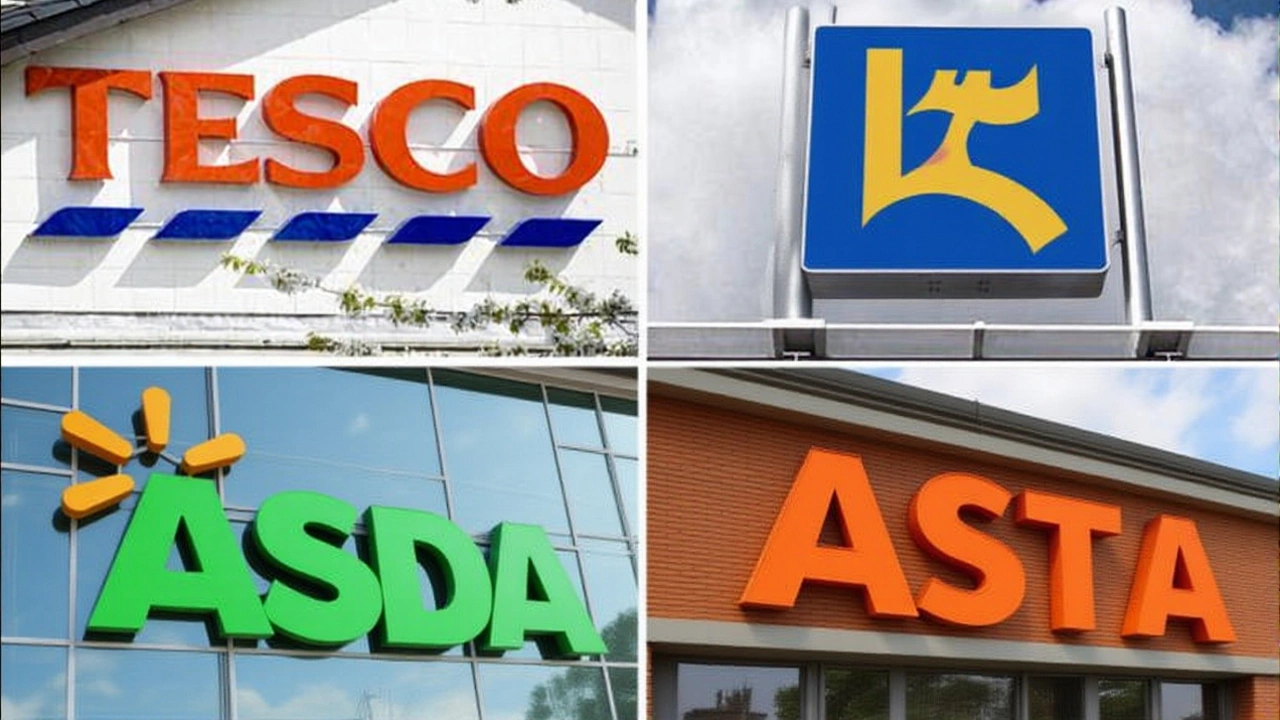
This isn’t random. It’s a pattern. Since March 2025, over 17 separate recalls have been issued across just four retailers. The Food Standards Agency logged 12 allergen-related alerts in the last six months alone—double the rate of 2024. And now, chemical contamination in kitchenware? That’s new territory.
Experts point to two root causes. First, the rise of “free-from” and plant-based products has created complex supply chains. A single ingredient like soy flour might pass through five suppliers before reaching the shelf. Second, cost-cutting in packaging design has led to cheaper, less-tested materials. The Good Grips strainer? Made by a subcontractor in Eastern Europe with minimal oversight.
“We’ve moved from ‘what’s in the food’ to ‘what’s in the container,’” said Dr. Eleanor Whitmore, a food safety researcher at the University of Manchester. “If your pasta strainer is leaching carcinogens, then your entire kitchen becomes a hazard zone. That’s not just negligence—it’s systemic.”
What’s Next? Regulators Under Pressure
The Food Standards Agency has launched a review of allergen labeling enforcement. Meanwhile, the Government of Jersey has requested emergency powers to mandate real-time digital recall notifications to smartphone users who’ve purchased recalled items. Retailers are being urged to adopt blockchain traceability systems.
But the most urgent call is for mandatory public dashboards—like the UK’s NHS waiting time tracker—that show live recall data. Right now, consumers have to hunt through retailer websites or government PDFs. That’s not good enough.
Background: A History of Overlooked Warnings
This isn’t the first time UK retailers have faced mass recalls. In 2018, a listeria outbreak linked to sandwiches from a major supermarket chain led to three deaths. In 2021, a batch of chocolate bars with undeclared peanuts triggered over 200 allergy reactions. Each time, promises were made to “do better.” But the systems didn’t change. Suppliers still operate in silos. Testing is sporadic. And consumers? They’re left guessing.
What’s different now is the scale—and the inclusion of non-food items. A plastic strainer shouldn’t be a cancer risk. A salad shouldn’t carry a hidden allergen. And yet, here we are.
Frequently Asked Questions
How do I know if I bought a recalled product?
Check the exact pack size, batch code, and use-by date against official recall notices on retailer websites or the Government of Jersey’s Product Safety page. For Waitrose, call 0800 188 884, Option 4. Many products, like the Good Grips strainer, have date ranges (May 2024–October 2025), so if you bought one in the last two years, assume it’s affected until proven otherwise.
Can I get sick from using a recalled pasta strainer?
Yes, potentially. The Waitrose recall cited primary aromatic amines (PAA), which are known to migrate into food during repeated use, especially with hot water or acidic ingredients. Long-term exposure is linked to bladder and liver cancer in animal studies. While one use won’t cause harm, daily use over months or years increases risk. Stop using it immediately.
Why are allergens still being missed in food?
Supply chains are fragmented. A soy flour used in a plant-based chicken substitute might come from a supplier who doesn’t list it on the label. Cross-contamination in shared production lines is common. And testing is often done on finished products, not ingredients. The system relies on honesty from suppliers—and too often, that honesty is missing.
What should I do if I’ve already eaten a recalled product?
If you have a known allergy and consumed a product with an undeclared allergen, seek medical advice immediately—even if you feel fine. Symptoms can be delayed. For chemical exposure like the pasta strainer, monitor for unusual fatigue, nausea, or skin rashes. Contact your GP and report the incident to the Food Standards Agency via their online portal. Documentation helps track patterns.
Are these recalls limited to the UK?
No. The Government of Jersey is a key documentation hub because it has a centralized, public recall database. Many products are distributed across the Channel Islands and parts of Northern Ireland. While the recalls are UK-initiated, exported versions may be in circulation elsewhere. Always check your local food safety authority if you’re outside mainland UK.
Will these companies face penalties?
Yes. The Food Standards Agency can issue fines up to £20,000 per violation under the Food Safety Act 1990. For the Good Grips strainer recall, regulators are investigating whether the manufacturer misled retailers about material safety. Criminal charges are possible if negligence is proven. But enforcement is slow—most penalties come months after the fact.